
ADNOC chief says Hormuz disruption has drained nearly 1bn barrels
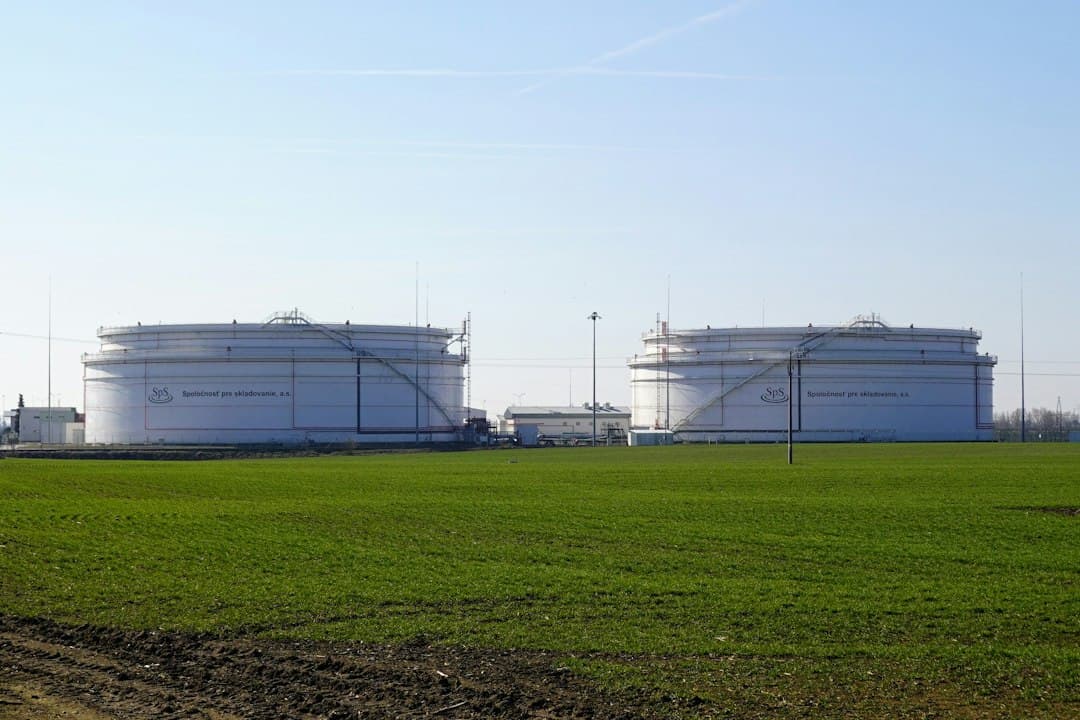
At ADIPEC, Sultan Al Jaber said shipping now eats over 30% of a barrel's cost and urged more storage and new routes to market.
The world has used up close to a billion barrels of its oil reserves since shipping through the Strait of Hormuz was disrupted, the head of Abu Dhabi's national oil company said on Monday, 2 November. Speaking at the opening of the ADIPEC energy conference in Abu Dhabi, Sultan Al Jaber argued that countries need to rethink how they protect themselves against supply shocks. His figures help explain why fuel stays expensive even as peace talks advance.
What happened
Al Jaber, who is the UAE's industry minister and chief executive of ADNOC, told delegates in Abu Dhabi that the world has "eroded its supply buffers," according to The National.
He set out several figures to show how deep the disruption has gone. Global oil inventories, the stocks held in tanks and reserves around the world, have fallen by close to 1 billion barrels since Hormuz shipping was disrupted. Reuters also reported the "nearly 1 billion barrels" figure.
Getting oil to buyers has become far more expensive. Logistics costs, which include shipping, insurance and rerouting, have risen from under 5% of the cost of a barrel to more than 30%, Al Jaber said, according to both The National and Gulf News.
The squeeze reaches beyond crude. Diesel stocks in some markets are at their lowest level for the time of year in 35 years, he said, and some markets face a gap of 600 billion cubic feet in supplies of liquefied natural gas (LNG).
His response was a call for more strategic storage, stronger infrastructure and a wider range of routes to market. "This year we got the bill for just in case," he said, as reported by The National. He added that energy security is "now also measured at the point of delivery."
Why it matters
For years, energy security mostly meant producing enough oil and gas. Al Jaber's message is that this is no longer enough. If tankers cannot pass through a single narrow waterway, it does not matter how much a producer can pump.
For ordinary people, the numbers translate into everyday costs. When shipping eats nearly a third of the cost of a barrel, that expense flows into petrol, diesel, heating and the price of goods that travel by truck or ship. Thin diesel stocks are a particular worry heading into winter, since diesel powers freight, farming and, in many places, home heating.